What is Cold Calling in AI-Powered Customer Engagement Strategies
The sales phone call is to sell directly to those who have not been in contact. The current technical environment is all about artificial intelligence. This sales method has changed. In the past, I relied on manual typing, and the efficiency was very low. Now it depends on data. This strategy can be promoted on a large scale.
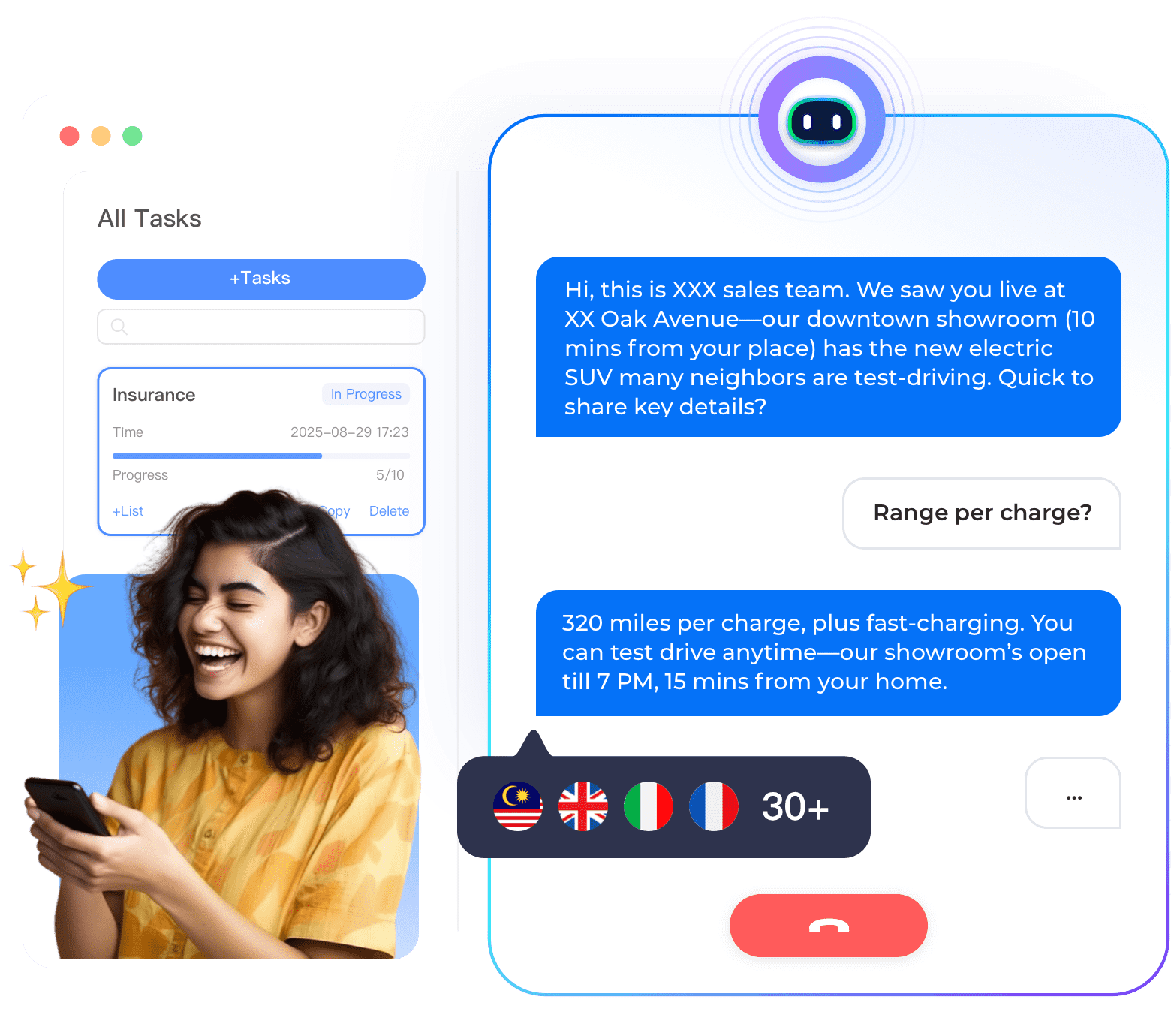
Enterprises use Instadesk voice robots to make outcalls. This matter has been completely automated. Robots can speak several languages. It can ensure that the quality of speech is always stable. It has become very accurate to make strange calls in the Southeast Asian market. It's more efficient. The content of the promotion is also more suitable for the needs of customers.

What is Cold Calling
The sales call is to contact people who have never heard of the company's name. In the past, this kind of work was done by real people. Everyone has to spend a lot of time and energy on it. The company's cost of raising these people is very high. Everyone's speaking level is different. Some people even have an accent. This will lead to a big difference in the effect after the phone call.
Instadesk voicebot is very organized. It uses technologies such as natural language processing, automatic speech recognition and text-to-speech. Robots can make calls by themselves and will not recite manuscripts rigidly. Customers will feel very smooth when they answer the phone. People in some international places usually speak several languages. Whether you speak well or not directly determines whether the customer is willing to pay attention to you.
Cold Calling vs Warm Calling
The person who made a cold phone call was a complete stranger. The other party didn't show much interest either. At the beginning of this kind of conversation, you have to find a way to make the other party trust you. The target of the hot call is old acquaintances. These people have had daling with the company before. They may have registered information, asked questions, and expressed their willingness to buy.
The Instadesk voice robot blurs the boundary between the two. This robot can connect to the business system. It can see the customer's data directly. The robot can say personalized content when making a phone call for the first time. There is the customer's background information in the system. This kind of cold phone call has become very clever. Customers will find it interesting. In fact, it feels like making a hot call when you make a phone call.
Why Cold Calling Still Matters
Artificial intelligence outbound calls enable companies to keep an eye on customers in different places. This kind of contact is continuous 24 hours a day. Any customer who may be interested will not be missed. Employees' usual work has become much lighter. The work that used to need to be done by hiring people can now be done by automation. About 30% of the manpower money has been saved. The speed of the whole work has been improved by almost 50%. The system looks at people's words more and more accurately. The phone talk is getting better every day. The time for the company to find customers is more appetizing. The customer feels that these words are very relevant to him. The proportion of final orders increased by more than 20%.
How to Use Cold Calling Effectively
Nowadays, sales calls can not be successful by multi-dialing alone, and the quality of practical operation is also very important. The company must first figure out the situation under which to call. For example, to guide new users on the job. Or remind the user to pay. It can also be a follow-up in the later stage. Or screen out potential customers.
A core point of localization is that companies can use Instadesk voice robots. It can adjust the speech according to different regions and take care of the local language habits. It can match the cultural background of different places. The situation in Southeast Asia is very special. The customers there have very different requirements for service.

The best effect is to put automated operation and manual customer service together. Those simple calls that have to be repeated every day are left to artificial intelligence. Encounter that kind of complicated conversation. Or a very important customer. Just transfer the phone to the real person to pick it up. This can not only ensure the speed of work. It can also guarantee the quality of service.
How AI Improves Cold Calling Efficiency
Instadesk enhances Cold Calling through multiple layers of AI capability, fundamentally changing how outbound communication operates.
One of the most significant improvements is scalability. Businesses can expand from a few thousand calls per day to tens of thousands, and even plan for over 100,000 daily calls, without increasing human resources.
Another key advantage is multilingual support. Instadesk enables communication in multiple languages such as English, Malay, Japanese, Korean, and Vietnamese, allowing companies to engage customers across regions without building large language-specific teams.
Real-time conversation intelligence further improves effectiveness. The system can detect customer intent during the call and adjust responses accordingly, creating a more interactive and personalized experience.
Operational efficiency is enhanced through smart features such as voicemail detection and automatic call termination, reducing unnecessary costs and improving resource utilization.
Finally, Instadesk supports continuous learning. By analyzing call data, identifying high-performing responses, and flagging ineffective interactions, the system enables ongoing optimization of both scripts and models.
Common Questions
Is Cold Calling still effective today?
Yes, especially when combined with AI. Automation, personalization, and data-driven insights significantly improve both efficiency and outcomes.
How does Instadesk handle compliance?
The system includes sensitive word filtering and supports region-specific compliance requirements, helping businesses reduce legal and operational risks.
Can AI fully replace human agents?
Not entirely. Instadesk is designed to handle repetitive, large-scale tasks, while human agents remain essential for complex and relationship-driven interactions.

Conclusion
Chatbot makes the current cold calling more powerful. It can talk according to everyone's situation. Enterprises can use Instadesk, a tool, to break the old restrictions in the past. They can call people from different countries and speak different languages. The service level has always been very stable. Southeast Asia has diverse markets and is developing very fast. This change is very meaningful here.
The company uses artificial intelligence to make sales calls. Their work efficiency has become higher. They spend less money. Their communication with customers is more useful. This kind of communication is more in-depth. This is good for the long-term development of the company in the future.
Tags

Issac
Omnichannel Digital Operations: Driving Traffic Growth & Deepening User Value
You may also like

What Is Objection Handling and How Voicebots Help Gaming Companies
Objection handling is the process of addressing and resolving customer concerns or hesitations that may prevent them from taking a desired action—such as making a purchase,upgrading a subscription,or continuing to engage with a product.In customer service and sales,effective objection handling involves listening actively,acknowledging the concern,providing relevant information,and guiding the customer toward a positive resolution.

AI Voicebot vs. Traditional IVR: Why 2026 is the Year to Upgrade
Traditional IVR frustrates users with rigid menus and limited understanding. AI voicebots enable natural, emotion-aware conversations with fast interruption and system integration, becoming a must-upgrade in 2026 for better efficiency and satisfaction.

Automated Outbound for Retail Promotions: Drive Sales at Scale
Automated outbound voice calls powered by AI voicebots revolutionize retail promotions, fixing flaws of email, SMS and manual calls. It delivers scalable, personalized two-way interactions to boost engagement and ROI. This guide covers use cases, best practices and how Instadesk VoiceBot elevates retail campaign results.
Get Started in Minutes. Experience the Difference.