
Guide to Ticket System
: What is it? Functions and Brand Recommendations is written for teams that are managing growing volumes of customer conversations across channels, languages, and regions. As businesses expand in markets such as Malaysia, Thailand, Indonesia, Vietnam, and Singapore, customer requests no longer arrive in one place or one language. A modern ticket system is no longer just a tracking tool. It becomes the operational backbone that connects channels, teams, time zones, and service standards. This guide explains what a ticket system really is, how it works in real operations, and why platforms like Instadesk are becoming a practical choice for companies serving customers across borders.

What a Ticket System Really Is Today
A modern ticket system is more than a digital inbox. It is a workflow engine that connects people, data, and processes.
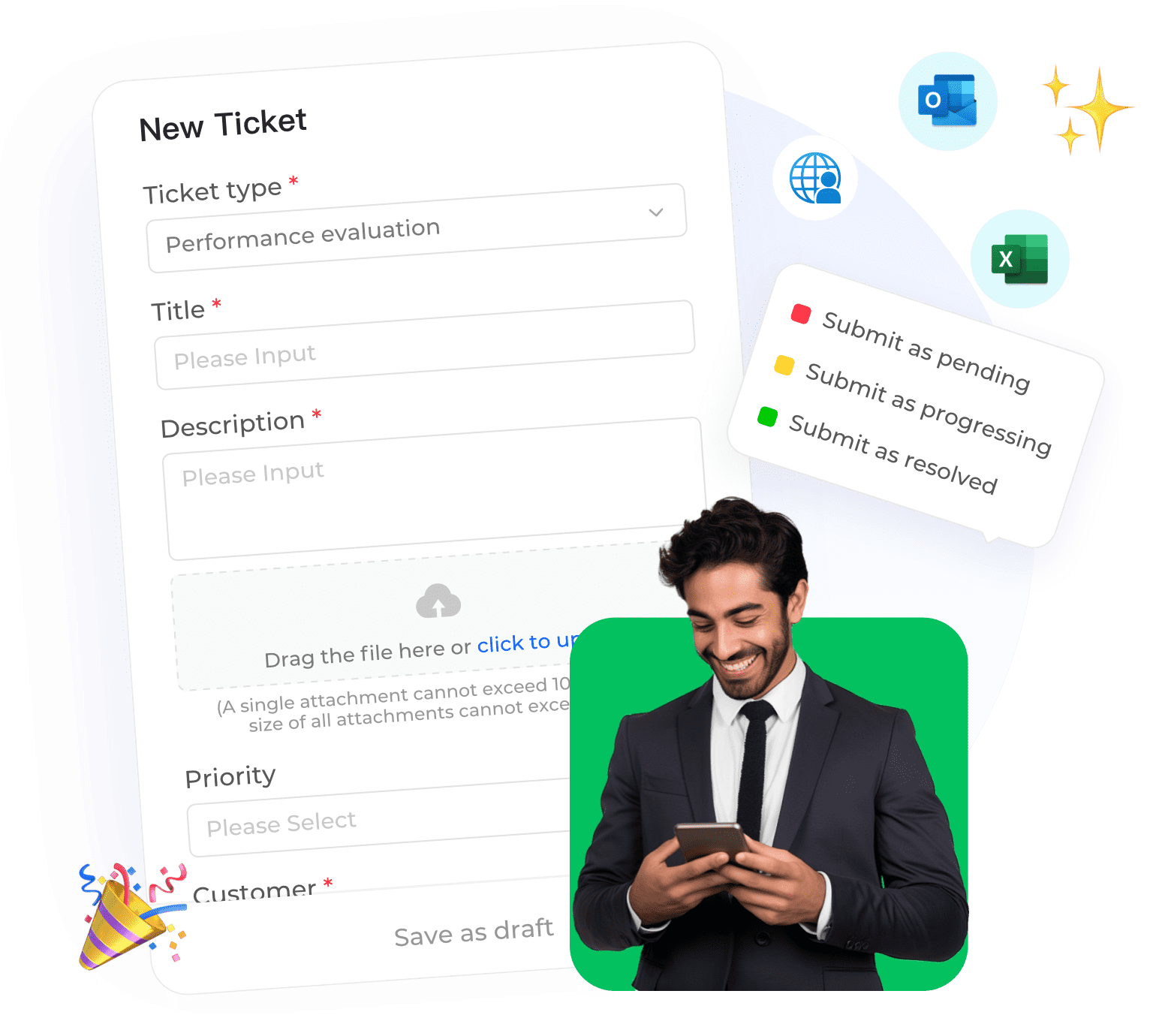
With Instadesk, every interaction becomes a ticket the moment it enters the platform. Whether the request comes from social media, email, e-commerce platforms, or voice channels, it is unified into a single workspace. Agents no longer need to switch between systems. Managers no longer rely on manual reports. The ticket becomes the single source of truth for each customer issue.
This approach is especially important for teams serving multilingual users across regions such as Indonesia, Vietnam, Thailand, Malaysia, and Singapore, where both language switching and time zone coordination are daily realities.
Why Ticket Systems Matter in Modern Customer Operations
Customer service today rarely happens in a single channel. Messages arrive through email, social platforms, e-commerce inboxes, live chat, and voice calls. Without a structured ticket system, these conversations stay fragmented. Teams respond slowly, context is lost, and service quality becomes inconsistent.
A ticket system brings order to this complexity. Every customer request is captured, structured, and tracked from the moment it enters the system. Instead of relying on manual coordination or individual memory, teams work with clear ownership, priority, and visibility. For companies operating in Malaysia, Thailand, Indonesia, Vietnam, and Singapore, this structure becomes essential as customer expectations rise and service hours stretch across time zones.
Instadesk positions its Ticket System not as a background tool, but as a core operational layer that supports daily service work at scale.
Core Functions That Define a Strong Ticket System
Unified Omnichannel Intake
Instadesk supports the consolidation of more than 20 global service channels into one ticket-driven workspace. Customer inquiries from different platforms no longer stay isolated. Every message enters the same system, follows the same rules, and is visible to the right teams.
This removes the operational friction caused by fragmented tools and helps teams maintain consistent service standards across markets.
Intelligent Ticket Classification and Routing
Not all tickets are equal. Some require technical expertise. Others are time-sensitive. Instadesk uses intelligent ticket classification to automatically categorize requests and route them to the appropriate teams based on skills, responsibility, and business rules.
For companies serving users across Malaysia, Thailand, Indonesia, Vietnam, and Singapore, this routing logic is critical to ensure fast responses without overloading specific teams.
Time Zone–Aware Ticket Assignment
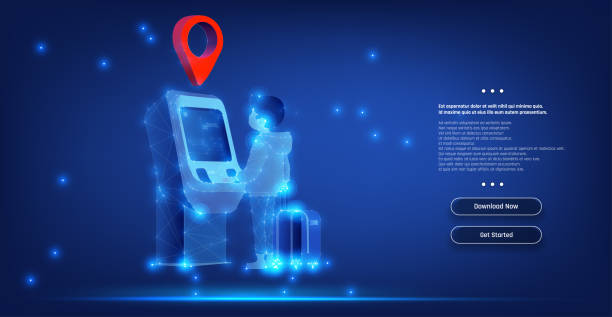
Global service means global time zones. Instadesk assigns tickets based on customer location and local working hours. Requests are prioritized for teams operating in the same or nearby time zones, reducing delays and improving response speed.
This function directly supports organizations that operate follow-the-sun service models across multiple countries.
Contextual Data and System Integration
A ticket system must work with existing business systems. Instadesk integrates with enterprise platforms through standardized APIs.
When agents open a ticket, they can view customer profiles, order information, and historical interactions directly within the workspace. This reduces handling time and minimizes errors caused by missing context.
Deep integration allows tickets to become part of broader business workflows rather than isolated service records.
Multilingual Support at Scale
Language diversity is a constant challenge in regional markets. Instadesk supports real-time multilingual processing, allowing teams to manage tickets across multiple languages without building oversized language-specific teams.
This capability is essential for companies expanding across Southeast Asian countries while maintaining service consistency.
How Ticket Systems Improve Service Quality and Efficiency
A structured ticket system changes how service teams work. It replaces reactive responses with managed workflows.
Managers gain visibility into ticket status, response times, and resolution performance. Agents focus on solving problems instead of tracking messages. Service quality becomes measurable, repeatable, and improvable.
Instadesk treats tickets as operational units, not just records. This design allows organizations to scale service capacity without losing control.
Real-World Application: IMOU Global Service Operations
The IMOU case shows how a ticket system performs under real global pressure.
IMOU serves more than 45 million users across over 100 countries. Its overseas service environment includes more than 20 service channels and over 10 major languages. Before adopting a unified ticket system, customer requests were scattered, response times were slow, and service coordination was difficult.
By implementing Instadesk’s intelligent ticket system, IMOU centralized all customer inquiries into a unified workspace. Tickets were automatically classified and routed. Time zone–based assignment ensured faster responses. Real-time multilingual support reduced reliance on large language-specific teams.
As a result, IMOU achieved a 99.2% SLA compliance rate, significantly improving response speed and customer satisfaction while standardizing service quality across global teams
Ticket Systems as a Foundation for Regional Growth
For companies expanding in markets like Malaysia, Thailand, Indonesia, Vietnam, and Singapore, growth often exposes operational gaps. Customer volumes increase faster than team size. Service hours extend beyond local schedules. Language complexity multiplies.
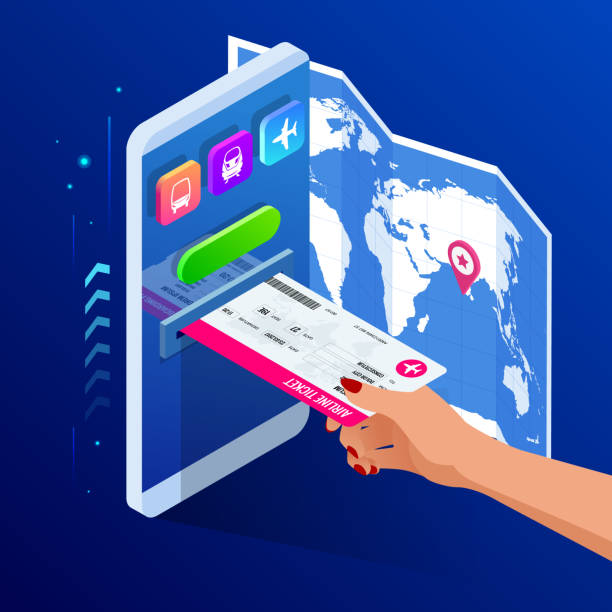
A ticket system provides the foundation to manage this growth sustainably. Instadesk enables organizations to scale service operations without scaling chaos. Tickets become the mechanism that connects channels, regions, and teams into one operational model.
Brand Recommendation: Why Instadesk Fits Growing Global Teams
Instadesk is not positioned as a generic ticketing tool. It is built for organizations operating across regions, languages, and channels.
Its strengths lie in unified omnichannel intake, intelligent ticket routing, time zone–aware assignment, and deep system integration. These capabilities directly address the realities faced by companies serving customers in Malaysia, Thailand, Indonesia, Vietnam, Singapore, and beyond.
Rather than forcing teams to adapt to rigid workflows, Instadesk allows ticket processes to align with real business operations.
From Ticket Management to Service Enablement
A ticket system defines how customer service operates at scale. It shapes response speed, service quality, and team efficiency. As customer expectations rise across regional and global markets, the role of ticket systems becomes increasingly strategic.
Instadesk demonstrates how a well-designed ticket system can move beyond basic tracking and become a core operational engine. For teams navigating multilingual, multi-channel, and multi-country service environments, this approach offers a practical path toward sustainable growth.